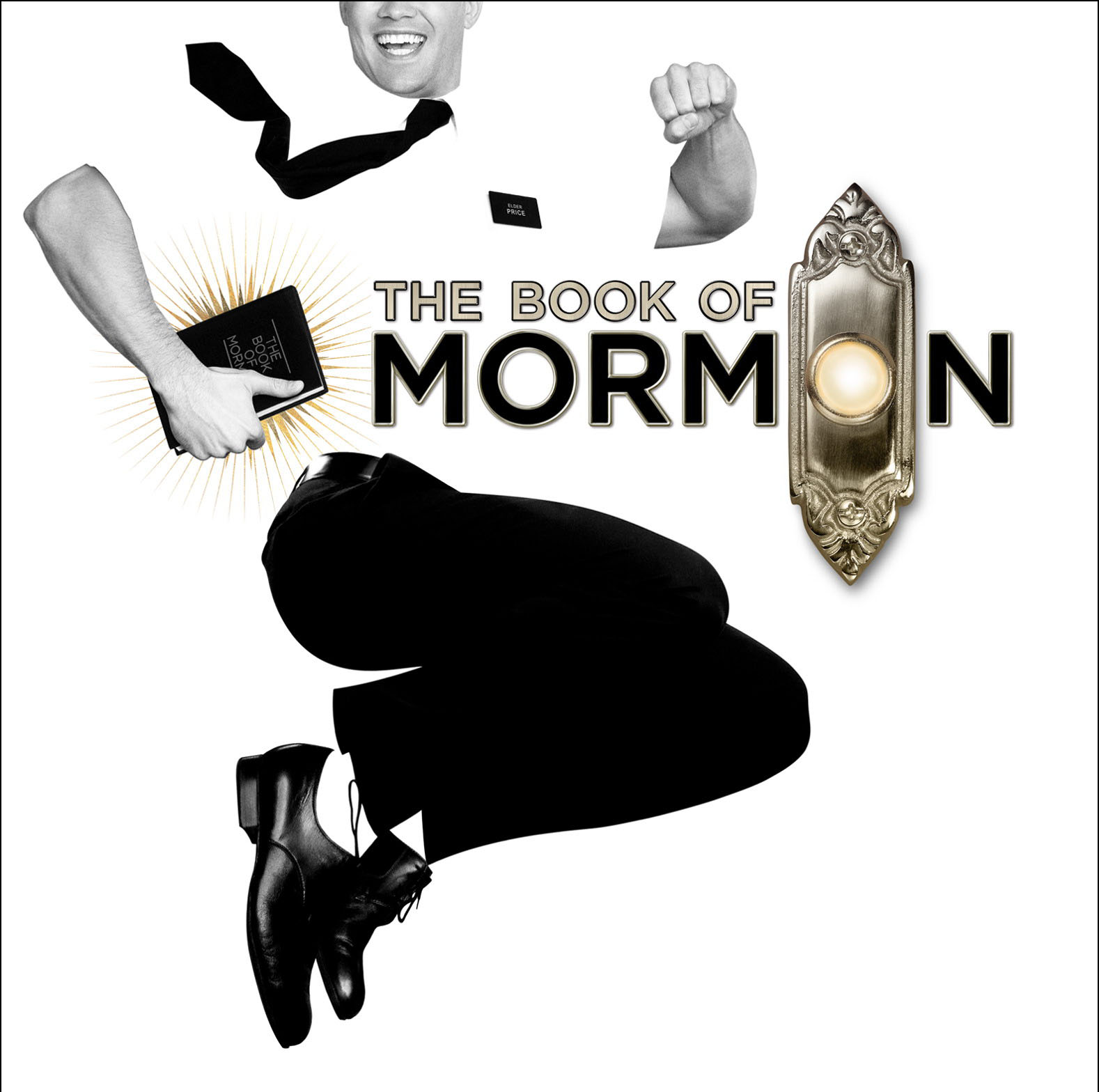
So, I know that this is off the beaten path a bit, but I have a thing about wasting time. See, being a reviewer means that you have a tight schedule. You might not believe it, but in order to keep up with the pace at which music is produced, I have a listening schedule and I rarely listen to music just for the sheer pleasure of it these days because, well, there’s just so much new coming out that I have to keep up with. So when I discover something new that I really, really, really love and can’t stop listening to it basically means I have to write a review. And The Book of Mormon by the South Park guys +1 is something that I fell pretty hard for.
Not Metal
Ulver – War of the Roses Review
Ulver is one of the greatest metal bands ever. If there were a “Big 4” for 90s metal, Ulver would be one of them because those first three records, Bergtatt, Kveldssanger and Nattens Madrigal (for the uninitiated) are absolutely essential Norwegian black metal records (obviously Kveldssanger isn’t black metal per se, but it is still an awesome record). But, of course, that same experimental drive that pushed the band into black metal also pushed them out of it, and Garm has been very critical of the scene since leaving it. That said, Ulver is also like Katatonia or Anathema in that their post-(extreme) metal music has been widely accepted by metalheads largely because of the already existing cred. But I get the feeling that War of the Roses will try that patience.
Amaranthe – Amaranthe Review
Amaranthe has three vocalists. Just let that sink in for a while. From what I can tell, not one of those vocalists plays an instrument. Instead, they found three “attractive” people to do vocals for them. The first is a woman, who sounds like a pop singer (think E Type) and who I guarantee you cannot name a Slayer record. The second is a screamy dude. He’s got a beard (’cause he’s tough and angsty, you see) and he screams, but not too much (he must be very, very, very bored on stage). And then there’s the ‘power metal’ vocalist (Berg from Dream Evil) who’s just as over-produced as the chick vocalist and is there to get 14 year old girls all silly over his perfectly groomed dreadlocks. Behind them are several soulless session musicians (from Mercenary, Dragonland and Engel). Though, frankly, this is a band that is functionally made of session musicians, since integrity seems to be lacking.
Within Temptation – The Unforgiving Review
As one of the elevated culprits who took guilty pleasure in bringing the so-called “female fronted” symphonic metal genre to fame, Within Temptation has often been right next to the milestone names of Tristania, Theatre of Tragedy, Nightwish, After Forever and the like from this infamous subgenre [Also known as “Chick Metal” by this member of The Patriarchy – AMG]. This is often accompanied by blunt comparisons, senseless “expert” statements and, of course, rabid hate from people who just can’t appreciate chicks in metal [Example: my earlier comment. – AMG]. But hey, life goes on and so does the music industry. Whatever the case, unlike their colleagues who have gone through hard time line-up changes that have proven catastrophic at times, Within Temptation has continued to add new chapters to their own story. Through times of war between legions of Tarja and Anette die-hards, crazy Vibeke rumors in the air, Floor & Sander drama break-ups, the flame of Within Temptation continued to burn ever brighter, offering fascinating music with each release.
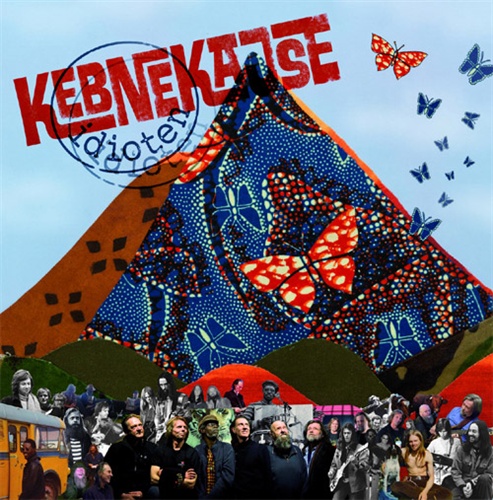
Kebnekajse – Idioten Review
The 1970s were a fascinating period for Sweden. There was a ton of experimentation, it was the 1970s, but just like many other phenomena, much of what was happening in the outside world was mirrored in the funhouse mirror that is Sweden’s culture. So while Americans of the time, for example, flirted with Marxism, drugs and experimental music, all of that stuff got taken in different directions in Sweden. Reading about the so-called “Red Wave” (red as in communist) of the 1970s is actually really interesting, and seeing how that was showed up and was interpreted in other parts of the culture is a fascinating endeavor. It follows, then, that one of the most interesting things that came out of the era was called “progg” (that might look familiar to you), and it is not the same as what we think of progressive or symphonic rock that changed the face of rock in the US or UK. Instead, much of the scene was caught up in ideologies and were far more concerned with political thought than with music at all. (Rumor has it that one of the bands let everyone play every instrument because it would be unfair otherwise.)