“In the world of academia, the ‘monograph’ reigns supreme. A book-length study of a single subject, a monograph should synthesize essay-length analyses into one argument that contributes something new to the scholar’s field. To analogize the world of music to academia: the monograph stands in for the album, demonstrating an artist’s ability to cohere individual songs into one holistic listen. Monograf, a Norwegian post-rock collective, published its first monograph in 2019. Nadir made a novel contribution to post-rock by adding Norwegian folk music to soundscapes reminiscent of Godspeed You! Black Emperor.” Book smart vs. garage smart.
Godspeed You Black Emperor
We Lost the Sea – A Single Flower Review
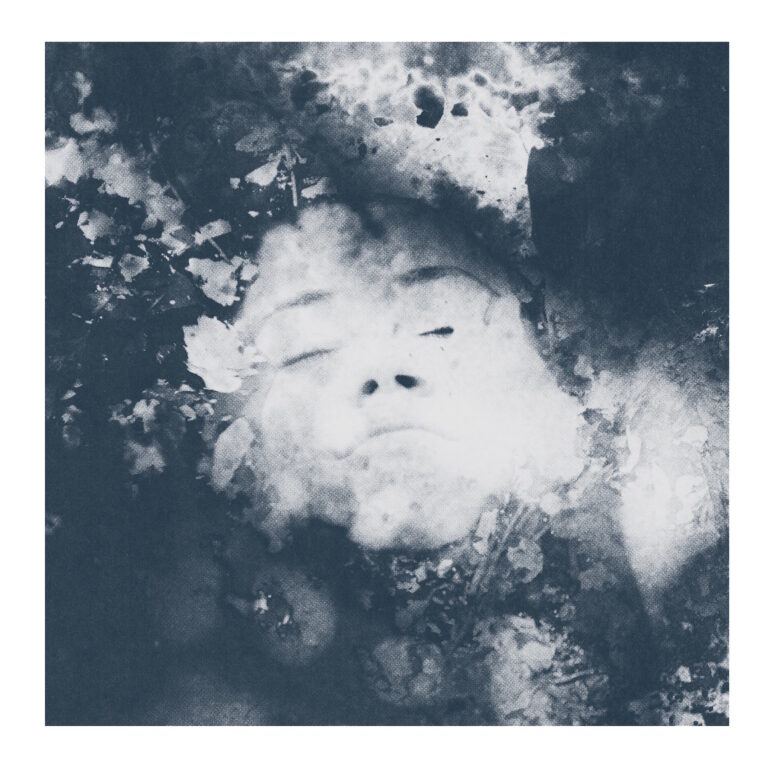
“How do you follow up an album born from tragedy? While the Sydney collective We Lost the Sea began as a mammoth post-metal band with standout releases like Crimea and The Quietest Place on Earth, renowned for uncompromising weight and tantalizing patience, the tragic death of vocalist Chris Torpey silenced them, taking its teeth in the process. Grief embodied its 2015 album, not devastating for the notes and tempos that commanded it, but rather what it symbolized.” Moving on, looking back.
Swans – Birthing Review
“It’s hard to keep up with Swans. Since 1982, Michael Gira and company have cranked out sixteen studio albums, eight EPs, and ten live albums (not to mention all the compilations and side projects), influencing underground stalwarts like Godspeed You! Black Emperor, Neurosis, Godflesh, and Napalm Death, as well as more mainstream acts like Nirvana and Tool. No genre was safe, as noise rock, no-wave, industrial, sludge, post-punk, and post-rock were impacted in the process – yet Swans have always had their own inimitable and uncategorizable sound.” Still on the pond.
Black Aleph – Apsides Review
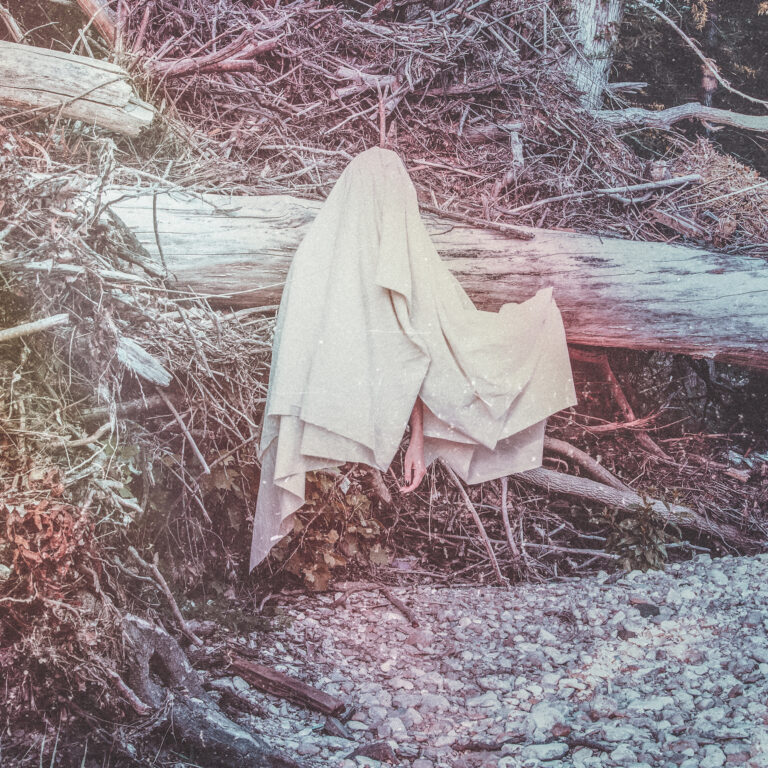
“Black Aleph is a sonic experiment devoted to ritual. Debut Apsides, blends drone metal with folk instruments and post-metal’s metamorphic crescendos. Yet, its value lies deeper, with a ritualistic heart pulsing beneath Middle Eastern modal traditions, guiding the movements into a divine, otherworldly experience. Make no mistake—Apsides will crush you, but as much in its serenity as its dense riffs. The weight it conjures suggests punishment rather than delivering it, resulting in something haunting, unique, yet full of untapped potential.” But like, is that all good?
Milanku – À l’aube Review
“Gentleness is a trait rarely exhibited in extreme music – perhaps for obvious reasons. The petals of flame that flutter to the earth are too often wrenched by relentless gravity, dream worlds meet their end with violent sound, and meditation that offers healing is ripped open like a scab. Therefore, gentleness is a scar for Milanku, a weariness with the wounds suffered and a soundtrack of healing – of a busted bone never set quite right.” Beauty in the darkest places.
Bunsenburner – Poise Review
“My students all suspect I spent some time with the “ganja.” They say, “Wow, Mr. Hollow, you’re so chill. I bet you were a stoner in high school. I was way too stuck up to do anything besides the daily Red Bull and Bible study jig, but that doesn’t stop me from appreciating some good stoner doom well into adulthood. While my strain of choice falls closer to sludge on the swampy spectrum, I can appreciate acts like Sergeant Thunderhoof and Weedeater for reverb- and fuzz-soaked riffs with killer groove. What does tickle me pickle is jazz and ambient, which are what Bunsenburner says they fuse with stoner doom.” All that stoner jazz (and science).
ColdWorld – Isolation Review
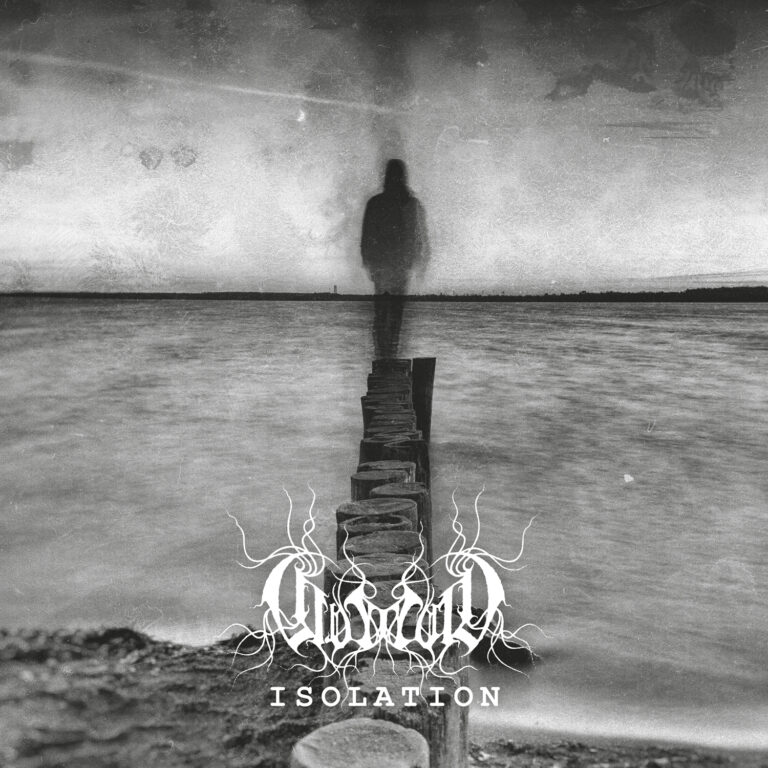
“Isolation is ColdWorld’s coldest album. In spite of the snowy fuzz that graced 2008’s debut Melancholie² or the decaying grim tones of Autumn, Isolation lives up to its name in the bleakest way imaginable. It nearly forgoes its depressive and atmospheric black metal roots entirely for an album with utmost restraint, organicity taking precedence over rawness or intensity. Encompassing more wintry post-rock soundscapes and doom tempos, Isolation is held high by the pillars of loneliness and patience.” The sadbois of winter.
Orochen – Anthroposcenic Review
“More than any other sub-genre of metal, post-metal relies on weight. The long songs, the patient build-ups, the lack of typical song structure… these only work if there’s real momentum to guide them along. When you listen to the early pioneers of post-metal (Isis, Neurosis), their albums are experimental, but they’re also heavy as fuck. Even the bands that hew closer to the post-rock side of things (Sigur Rós, Godspeed You! Black Emperor) maintain a certain density because nothing kills the “post-whatever” vibe more than inertia. Except perhaps progressive righteousness. Which brings us to Orochen.” Call the Orochen, man.
Daxma – Unmarked Boxes Review
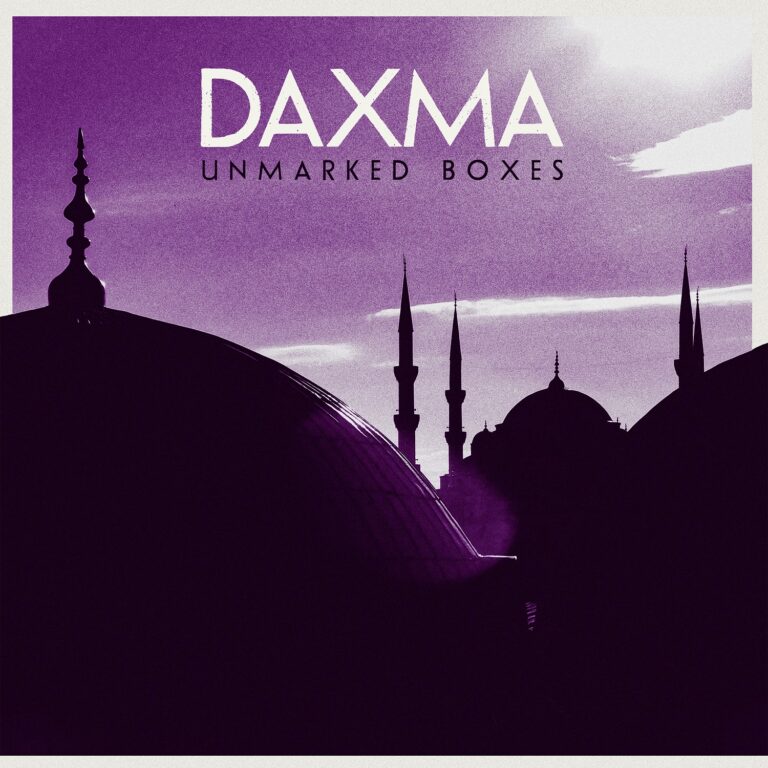
“Where Ruins based its first track loosely on the seminal critical theory work, Minima Moralia: Reflexionen aus dem beschädigten Leben, by German philosopher Theodor W. Adorno, Daxma’s second full-length, Unmarked Boxes, drinks deep of 13th century Persian poet Rumi’s work of the same name.” Smart music.
Comet Control – Inside the Sun Review
“Time flies. One day you wake up, grab the next album in the review queue, and think to yourself, “These guys seem familiar.” Then you do some digging and realize you really loved their last album – five years ago. Center of the Maze, Canadian psych-rock outfit Comet Control’s second album, was a glistening example of psychedelia, stoner, and alt rock all mashed together. Featuring members of Godspeed You! Black Emperor, Biblical (another band worth checking out), and the now-defunct Quest for Fire, Comet Control proved back in 2016 that they have the musical and songwriting chops to craft a memorable album. Will their third release, Inside the Sun, strike the same chord?” Stoned space oddities.