“”Sleeping Giant” was always a standout song for me on Mastodon’s Blood Mountain. After two thrashy, pummeling tracks, “Sleeping Giant” slows the pace and ups the atmosphere, doling out chunky riffs and creepy leads. Its name aptly captures its role on Blood Mountain, feeling like the stirrings of an album (and a band) with gigantic aspirations. Speaking of slow risers, Iceland’s Sleeping Giant has finally roused for their first LP after forming in 2006.” Giant-sized shoes to fill.
Icelandic Metal
Nexion – Sundrung Review
“I was late to the Nexion train when debut masterpiece Seven Oracles dropped five years ago. Peddling blackened death metal of the Icelandic persuasion, the occult quintet floored me with their writhing, twisted take on the genre, fronted by possibly the best vocalist in black metal right now. It’s 2025, and a new Nexionic invocation approaches, looming over this world with a heart full of chaos and a mind consumed in shadow. Is it too much to ask this latest summoning, entitled Sundrung, to match the imposing, irresistible presence of its predecessor?” Nexion is next!
Sólstafir – Hin helga kvöl Review
“The review game is a funny business. I genuinely don’t recall liking Endless Twilight of Co-Dependent Love, the last outing by Iceland’s post-metal legends Sólstafir, as much as I apparently did. It was a 2.5/5.0. Surely. But, as I prepared to tackle their eighth album, Hin helga kvöl (The Holy Suffering), I was shocked to learn that I’d 3.5ed Endless Twilight. And, wouldn’t you know, I was right! Yes, Endless Twilight was far too long. No, the production wasn’t good. And yes, Aðalbjörn Tryggvason’s vocals were more love-em-or-hate-em than ever. But, somehow, it held together as a very good album, something I re-discovered afresh delving back in after a four-year break. Speaking about Hin helga kvöl, Tryggvason said that one thing Sólstafir tried was to make the songs shorter but it’s “somewhat harder to write good short songs, so that was a real challenge.” Was it one the Icelanders were up to?” Time, faulty memory, and Icelandic weirdness.
Morpholith – Dystopian Distributions of Mass Produced Narcotics Review
“Genre distributions from country to country are fascinating to me. You could devote entire studies to why certain sounds develop and proliferate more in one country (or part thereof) than another. Iceland is predominantly known for post-metal, black metal, and post-black metal, with varying degrees of folk. What it isn’t known for is doom metal, which might come as a surprise given the cold, isolation, and endless winter nights. Morpholith aims to break through the permafrost with their debut Dystopian Distributions of Mass Produced Narcotics.” Dread in the snow.
Árstíðir lífsins – Aldrlok Review
“Árstíðir lífsins seem to not believe much in fanfare. Since I discovered the Icelandic/German group via their very good fourth full-length Saga á tveim tungum I: Vápn ok viðr, I never learn about their releases until AFTER they show up. The followup to Saga I never reached the Angry Metal Promo Sump, and their most recent release, the enjoyable Hermalausaz, arrived quietly at the end of last year. Now they’re back with Aldrlok (“Death [of an age]”), their sixth full-length release, which follows the band’s familiar vein of mountainous black metal adorned with gorgeous folk passages and lyrics sung in Old Norse-Icelandic.” Unexpected pleasures in the ice.
Kati Rán – Sála Review
“Neofolk is a special style of art. It encompasses the achingly simple to portray stunning complexity. Everything is done with earnest emotion, and often the onus is on the artist not to simply entertain, but to transport the listener, through time, through places, and through very states of being. When I first learned of Kati Rán and her debut full-length release Sála, I was heartened by a single line in its promo copy: “Recorded in a barn in Húsafell, Iceland”—and I didn’t read further.” Barn razing.
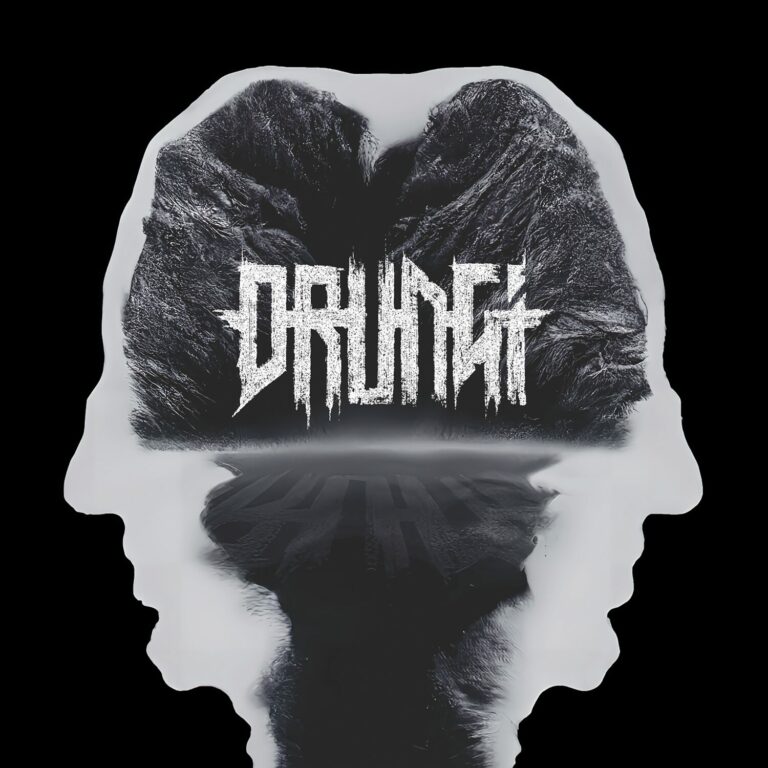
Drungi – Hamfarir Hugans Review
“I love ‘for fans of’ or ‘related artists’ shorthands. In lieu of the endless genre discussions, it’s a great shortcut to match potential fans with new music. It has its shortcomings, of course; for one, you need to actually know the bands to get a feeling for whether it might be up your alley. Furthermore, bands can abuse it by referencing a bunch of popular bands, even when their style is only tangentially related. Case in point: the promo sheet for Drungi’s self-released debut Hamfarir Hugans included such a baffling spread in their FFO, I was immediately skeptical. Sólstafir, Skálmöld, Black Sabbath, Gojira and Manowar. What on Earth could possibly sound like all of those at the same time?” Sounds like…madness.
Skálmöld – Ýdalir Review
“Though Skálmöld does possess a weirdness with their hundred-guitar lineup and varying vocal styles, they combine the storytelling of Týr with the savagery of Fintroll. The result is some rather adventurous music with flailing riff changes, mead-swigging layers, and unexpected transitions from barks, rasps, and cleans. As one would expect, sometimes all this sorcery falls flat or straight-up doesn’t work. And after engaging with 2019’s Sorgir, I fear the band might be stuck in a well with great performances but incohesive songwriting and flow. Once I find the link to this fucking stream, I’ll let you know how Ýdalir fares.” Black möld? Comeback möld?
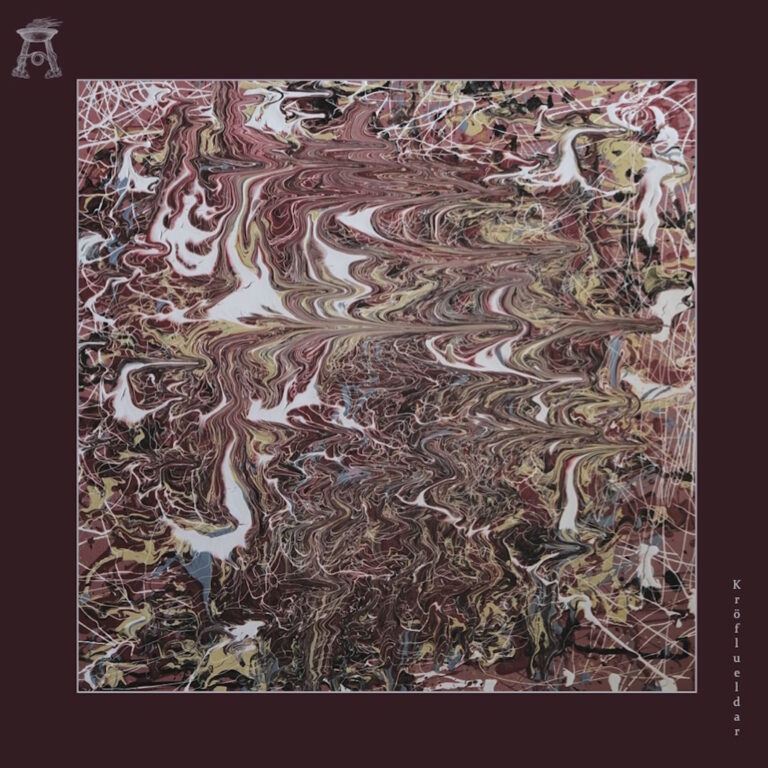
Altari – Kröflueldar Review
“Icelandic black metal, embodied in acts like Svartidauði, Misþyrming, and Wormlust, has taken on a life of its own, metonymy of the caustic lava and devastated landforms through unforgiving obsidian guitar tones and warped dissonance. It’s largely become a cultural icon, a treasure, and a representation of their unique and otherworldly land. While most Icelanders of the blackened persuasion greet the ears with blazing vistas of the barrenness, Altari settles into it with patient tempos and contemplative riffs, sinking fingernails deep into the scorched soil.” Fire and Iceland.
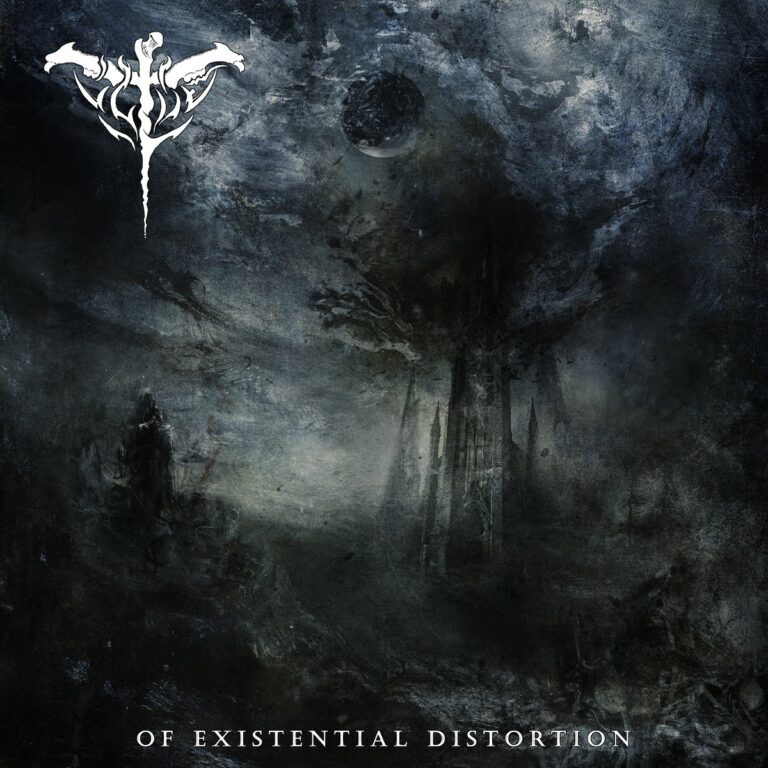
Úlfúð – Of Existential Distortion Review
“The concept Of Existential Distortion intrigues me. Does it imply some horrifying limbo state of being? A twisting and defilement of existing things? Úlfúð—pronounced “Ool-wooth” and meaning “animosity”—confirm at least the sentiment of dread with their sinister blackened death. Hailing from the remote and starkly beautiful Iceland, one has a preconception that the music will be likewise harsh and cold, infusing an already bleak subject matter and musical style with extra grimness. Úlfúð don’t necessarily make good on this assumption.” Icelandic warping.